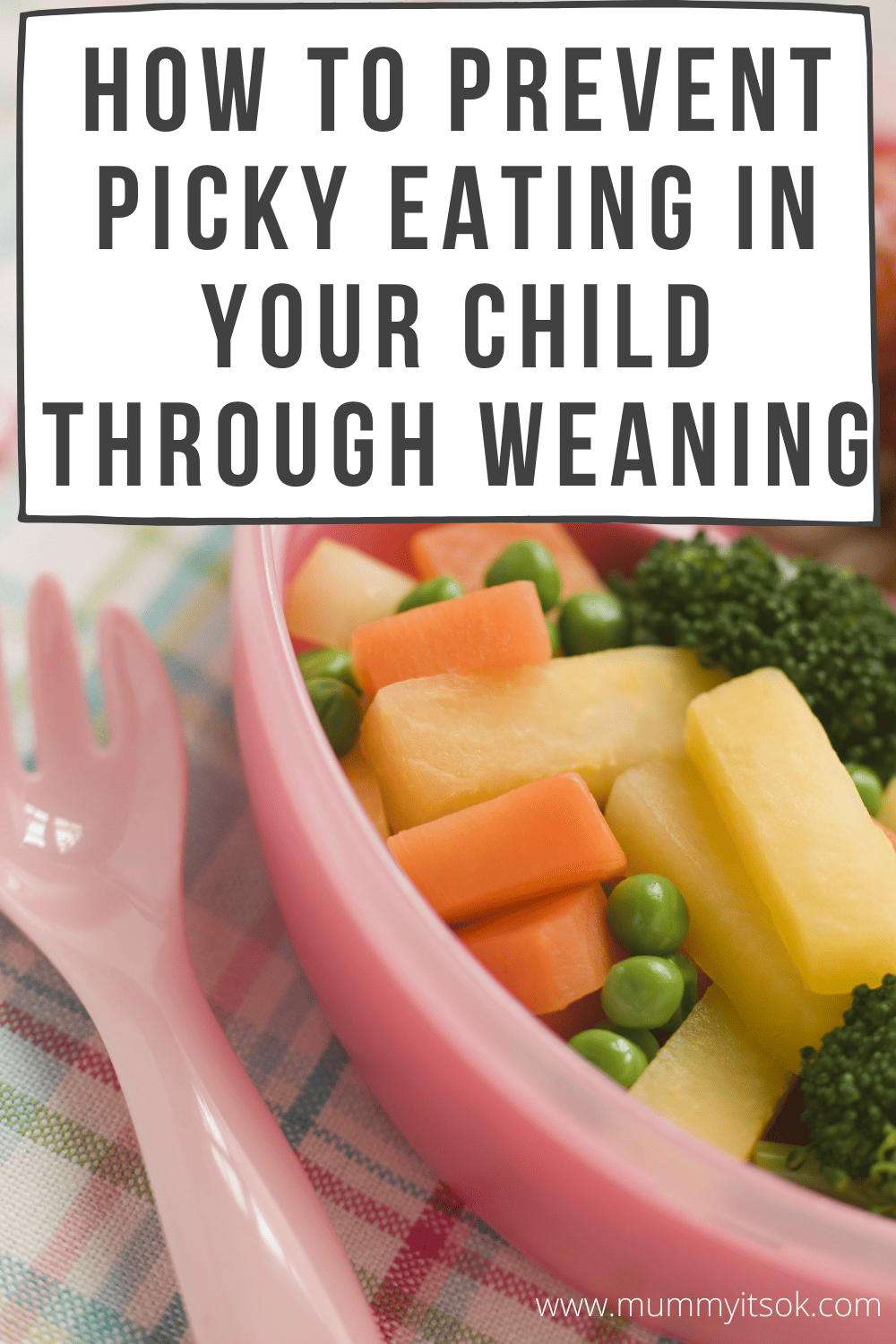
How to Prevent Picky Eating in Kids – Simple & Practical Tips!

Hello, dear readers! Today, we’re diving into a topic that’s close to many a parent’s heart: how to prevent picky eating. If mealtime at your house feels more like a power struggle than a peaceful gathering, you’re not alone. But here’s the good news: with a few simple strategies, you can encourage healthy eating habits and say goodbye to dinnertime drama. So, grab a snack (a healthy one, of course!), and let’s explore how to make the dinner table a happy place for everyone.
How To Prevent Picky Eating
They’re several things you can do when you introduce your baby to solid foods that make it easier for him to accept new foods, and to prevent problems later on.
- Don’t Delay Weaning – In most countries and for most babies, this will be around 6 months of age.
- Introduce many tastes early on in weaning
Introduce many tastes of individual vegetables and fruits right at the beginning of weaning. Don’t mix them up, even when you start to serve two different foods, as this disguises the individual flavours.
Traditional advice has been to start with the more challenging vegetable tastes, such as bitter tasting brassica, before introducing sweeter vegetables like squash and peas.
Advice has also been to introduce vegetables before fruit, and to start with sour tasting fruit like cherries and plums, before moving on to the sweeter ones.
Rapidly introducing a range of single tastes one after the other once weaning has commenced can make it easier for your baby to accept even more tastes and prevent them from picky eating.
For more advice on weaning, check out ‘Change for Life’ in conjunction with the NHS where you can find quick recipe ideas (5-10 minutes) for each stage of weaning.

Make Grocery Shopping and Meal Planning a Family Affair
Involving your children in grocery shopping and meal planning can go a long way in broadening their food preferences. Let them pick out a new fruit or vegetable to try from the farmer’s market or grocery store.
During meal planning, ask for their input on which healthy snacks or dishes they’d like to have during the week. This not only makes them feel valued but also more open to trying the foods they’ve chosen themselves.
They Might Like It …Eventually
Babies and young children typically need to be exposed to new tastes and textures several times for them to become accustomed to it. This is especially true of the more challenging tastes and textures, such as bitter and savoury tastes.
A group of researchers cleverly demonstrated an example of this in Dijon, France, in 2013.
The researchers wanted to see whether repeated exposure or sweetening a food was more effective at increasing a baby’s liking of a new and challenging taste–artichoke puree.
95 infants were split into 3 groups and fed either a plain artichoke puree, a sweetened artichoke puree, or an energy-dense artichoke puree.
By the end of the study, the infants’ intake of artichoke puree increased by 39% in the sweetened artichoke puree group and by 63% in the repeated exposure only group. Liking for artichoke puree increased only in the repeated exposure group, by 21%.
Interestingly, the researchers also reported that how much artichoke puree a baby would eat before the study started was related to how many vegetables she had already been exposed to.
The more foods a young child already eats, the more willing she is to accept new foods. Make sure to introduce a wide range of foods during weaning to prevent picky eating.
Responding to your baby with a happy face and maybe having some yourself can help settle your baby’s instincts that this is good to eat. Repeat any foods initially rejected several times, but don’t force him to eat it.

Introduce Lumpy Foods
Babies’ chewing skills develop dramatically between the ages of 6 and 10 months, but only if they have the opportunity to practice these skills.
It is therefore important not to delay introducing lumpy solids (that need chewing) later than that recommended by your healthcare provider. If you delay introducing lumpier textures, this can make your baby less accepting of lumpy textures later on.
The link between timing of lumpy textures and later feeding problems was demonstrated in the Avon Longitudinal Study of Parents and Children, also known as Children of the 90s study.
Of 9,360 normally developing babies, those first introduced to lumpy textures at 10 months old or later were both more difficult to feed at 15 months and had more definite likes and dislikes. When followed up, these same tots ate fewer foods and had significantly more feeding problems when they reached seven years old.
Introducing lumpy foods at the right time will prevent picky eating in your little one.
Allow Baby To Experience The Sensory Elements of Food
For most babies, weaning is an ideal opportunity to start to experience the sensory elements of food. Your baby’s experiences now will shape her acceptance of food textures that will have a lasting effect.
Giving your baby plenty of opportunities to experience the sensory properties of food, both on her hands and in and around her mouth, will help to desensitise your baby to different food textures and become accustomed to them.
The more positive experiences your child has with food, the more chance you have of being able to prevent picky eating later in life.
There are plenty of fun (and often messy!) activities you can try that will get your baby used to the different sensory properties of food and start to learn what to expect.
Play Time!
- Allow self-feeding where possible, either with the food or foods directly or from a preloaded spoon. This will get messy! Self-feeding, where you can expect your baby to get food on her hands, around her mouth and the spoon touching different parts of her mouth, can all help her get used to the different textures of food and sensations in her mouth.
- Don’t rush to wipe clean between mouthfuls, either with a spoon or a cloth or wipe. Leave any spilt food on her mouth and hands. You can clean up once the meal is finished.
- Let her play with her food where possible. Feeling the texture of food in her hands helps your baby start to learn how to predict how the different textures will feel in her mouth. Part of this learning includes learning how textures change when they are manipulated, like squished between her hands and smeared onto surfaces. Like I said, this can get messy! Stick with it though – she will be eating with cutlery soon enough and you will have fond memories of this time of her food learning journey.
- Last but not least: introduce soft finger foods alongside spoon feeding if you are using traditional weaning. Handling food and alternating textures at mealtimes helps to develop motor skills, as well as experience different textures at the same time. Try foods like cooked carrot, squash or courgette fingers, cooked florets of broccoli or cauliflower or banana fingers segmented longways in natural thirds.

Navigating The Picking Eating Stage
The picky eating stage usually appears around 18-22 months old. This stage is considered a perfectly normal part of childhood development and is explained by the concept of ‘food neophobia’ (from Greek ‘fear of the new’).
We think food neophobia helped prevent toddlers, who were just starting to walk and explore the world, from ingesting substances that are potentially toxic and harmful.
This suspicion of new foods can even extend to familiar and previously enjoyed foods, especially if they are presented in new ways, with unknown foods, or under unfamiliar circumstances.
The degree of food neophobia in a child is probably genetically determined.
On the positive side, food neophobia tends to lessen with age. How we respond to this stage can determine whether it turns into a longstanding ordeal for most toddlers (and parents!).
The two most important things we can do as parents to ease your toddler through this stage are providing plenty of opportunities for repeated exposure to different tastes and textures and by role modelling trying and enjoying new foods.

Introduce New Foods in Different Ways
If your child refuses a particular food the first time, don’t give up. Taste preferences can change, and sometimes it takes several exposures to a new food before a child accepts it. Try presenting the food in different ways – raw, cooked, or mixed with a preferred food. A small amount of food on the side of the main dish can be less intimidating, and it might just spark curiosity.
Repeated Exposure
Research has shown time and again that one of the key methods for getting young children to learn to like new foods, tastes and textures is to expose them to the food many times. We know from research that exposure to a new type of food makes children more likely to become familiar with it and, therefore, to like it. Some children just need more time than others.
Less well known is research that exposing your child to new foods without actually eating the food can also help your toddler accept new foods. Ways to do this include:
- Taking her food shopping and letting her help by choosing foods and putting them in the trolley or basket.
- Looking at, and perhaps collecting, food pictures – in a magazine, a book, or online.
- Naming foods (either a picture or the actual food) has been shown to help young children more accepting of a new type of food.
- Seeing pictures of unfamiliar foods can increase a child’s willingness to try them. This is particularly helpful if the pictures are accompanied by a story about the food (where it came from and how it was made). Perhaps you could try a food story book?
Be a Role Model
Children learn by example, so it’s essential to be a good role model when it comes to eating a variety of healthy foods. If they see you enjoying a colorful salad or snacking on carrot sticks, they’re more likely to want to try those foods too. Remember, establishing healthy habits now will benefit them in the long run, making every effort worth it.
Celebrate Small Victories
Remember, fostering healthy eating habits is a journey, not a destination. Celebrate the small victories, like when your child tries a new flavor or enjoys a nutritious meal without fuss. These moments are significant milestones on your child’s food journey and a reminder that your efforts are paying off.
Consult Experts When Necessary
If you’re dealing with extreme picky eating or if mealtime struggles are causing sleepless nights, it might be a good idea to consult with professionals.
Occupational therapists, pediatric dietitians, and feeding clinics have the expertise to address specific issues and can offer tailored advice for your family.
They can also provide strategies to ensure your child is getting good nutrition and developing a healthy relationship with food.
Avoid Pressuring Your Child To Eat
I don’t have to tell you smart mamas this, but force feeding in any shape or form is a no-no.
Pressure to eat has been consistently found by researchers to make a child eat less. Children who are pressured to eat more – whether bribed, cajoled, begged or coaxed – actually eat less. Worse still, forcing a child to eat something can put him off that food for life.
Want to hear more? Visit me at fussyaboutfood.com to learn more about tackling picky eating in toddlers and young children.
Interested to know if your child is a picky eater? Take the questionnaire and find out. The questionnaire is based on the Child Eating Behaviour Questionnaire (CEBQ) developed by researchers at University College London and is a validated screening tool used in research studies to assess the degree of food fussiness in young children.
Conclusion: A Journey of a Thousand Bites Begins with a Single Step
Encouraging healthy eating habits in young kids and older children alike is one of the best ways to set them up for a lifetime of good nutrition and a healthy relationship with food.
By implementing strategies like the division of responsibility, involving kids in meal planning, being a positive role model, and introducing new foods in different ways, you can help your child become more open to trying a variety of healthy foods.
And remember, while it may seem like a challenge at first, these small changes can go a long way in ensuring your whole family enjoys mealtime together, making it a joyful and nourishing experience for all. So, here’s to happy, healthy family tables across the globe – one snack, one meal, one day at a time.
Disclaimer: The contents of this blog post apply to typically developing children who are not receiving medical or other healthcare professional treatment for eating or feeding difficulties. The content of this blog post is for informational purposes only and does not constitute medical or nutritional advice.