
37 Amazing Benefits of Dancing for Toddlers – Fun & Developmental!

Welcome to the wonderful world of dance, where every step and twirl opens a door to endless possibilities, especially for our little ones! This blog post will cover the benefits of dancing for toddlers.
From the early stages of childhood, dance offers a unique blend of fun, fitness, and learning that can significantly contribute to a child’s physical development and emotional maturity.
Whether it’s the joy of expressing emotion through physical movement, the excitement of being part of a team, or the thrill of performing arts in front of others, dance is a fantastic way to introduce important life skills at a young age. So, let’s lace up those tiny dancing shoes and discover why incorporating dance into the early childhood experience is not just a good idea—it’s a great one!
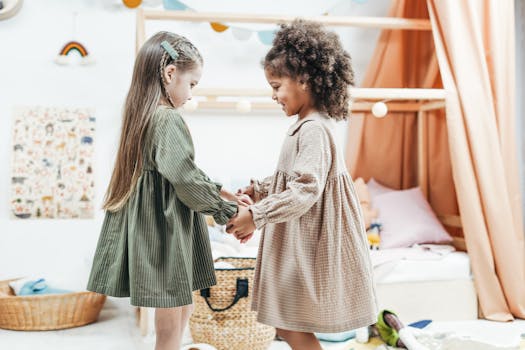
Physical Benefits Of Dance Class
1. Improved Balance And Coordination
Dance classes require toddlers to use their bodies in a coordinated way, which can help improve their balance and coordination. Through dancing, toddlers can learn how to shift their weight from one foot to the other, balance on one leg, and move their arms and legs in sync. These skills are important for everyday activities like walking, running, and playing.
2. Increased Strength And Flexibility
Dance classes are a great way to build strength and flexibility in toddlers. The movements involved in dancing require the use of many different muscle groups, including the legs, arms, and core. As toddlers dance, they engage these muscles, which helps to increase their overall strength and flexibility.

3. Improved Cardiovascular Health
Dance class is also a great form of cardiovascular exercise for toddlers. As they move their bodies, their heart rates increase, which helps to improve their overall cardiovascular health. Regular dancing can help to improve lung capacity, increase endurance, and lower the risk of heart disease later in life.
4. Better Posture
Good posture is important for overall health and wellbeing, and dancing can help preschoolers develop good posture habits early on. As toddlers dance, they learn to hold themselves upright and engage their core muscles, which can help improve their posture over time.

5. Enhanced Motor Skills
Dance class is a great way to enhance toddlers’ motor skills. The movements involved in dancing require a high degree of control and precision, which can help toddlers develop their fine and gross motor skills. Through dancing, toddlers can improve their hand-eye coordination, spatial awareness, and overall motor control.
6. Improved Mood And Mental Health
Besides the physical health benefits, dancing can also have a positive impact on toddlers’ mood and mental health. Dancing is a fun and engaging activity that can help toddlers release pent-up energy and reduce stress. It can also help to boost self confidence, as they learn new skills and improve their dancing abilities over time.

7. Improved Cognitive Function
Dance classes can also help to improve a child’s cognitive development. As they learn new dance routines and movements, they are engaging their brains in new and challenging ways. Dancing requires a high degree of focus, memory, and attention to detail, all of which can help improve cognitive function and brain development in toddlers.
The form you have selected does not exist.
8. Better Sleep
Attending a regular dance class can also help toddlers get better sleep at night. As they engage in physical activity, their bodies release endorphins, which can help them feel more relaxed and sleepy at bedtime. Dancing can also help to regulate the body’s circadian rhythm, making it easier for toddlers to fall asleep and stay asleep throughout the night.
Mental Benefits Of Dance Lessons
Dance classes are fun and engaging for toddlers. Not only do they provide physical health benefits, but also offer many mental benefits. Toddlers are natural movers and shakers, and dancing allows them to express themselves creatively while also improving their cognitive and emotional development.
Here are some of the mental benefits of dancing for toddlers:
9. Child’s confidence levels improved:
Dance classes give toddlers a sense of accomplishment and boost their self confidence. As they learn new dance moves and routines, they feel proud of their achievements, which helps to build their self-esteem.
10. Enhance creativity and imagination:
Dance classes are a great creative outlet for toddlers. It lets them use their own imagination. They can invent their own dance moves, create their own routines, and even imagine themselves in different roles or scenarios.
11. Develops social skills:
Group dancing is fantastic for helping toddlers develop their social skills. As they dance with others, toddlers learn how to cooperate. This improves their communication skills and interact with their peers. They also have the opportunity to make new friends and build strong social connections.
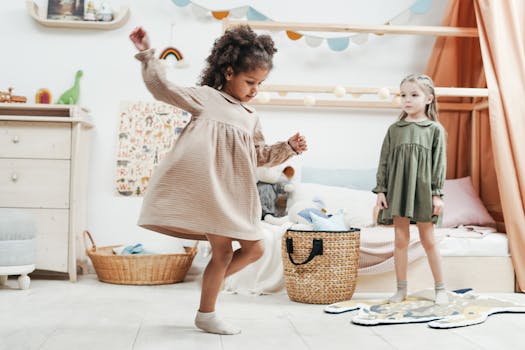
12. Relieves stress and anxiety
Dance classes can be a great way to release daily stress for toddlers, as it allows them to release their emotions and energy in a positive way. It can also be a calming activity that helps them relax and feel more at ease. It can help them forget about everyday worries and just focus on their well being.
13. Boosts Memory and Recall:
Dance routines require toddlers to remember sequences and steps. This constant practice of recall aids in enhancing their memory skills, which can be beneficial in other areas of learning as well.
14. Enhances Focus and Attention:
The discipline of dance requires toddlers to pay attention to instructions and concentrate on their movements. This practice can improve their overall attention span and ability to focus on tasks.
15. Problem-solving Skills:
When faced with a challenging dance move or sequence, toddlers learn to think on their feet (literally!). They develop the ability to approach problems creatively and find solutions, a skill that’s valuable in many life situations.
16. Language Development:
Many dance classes incorporate songs, rhymes, and narratives. Listening to and understanding these can aid in language development, vocabulary expansion, and comprehension.
17. Cognitive Flexibility:
Switching between different dance styles, rhythms, and routines can help toddlers adapt to new situations and changes, fostering cognitive flexibility.
18. Spatial Awareness:
Dance requires toddlers to navigate space, understand directions, and be aware of their surroundings. This can enhance their spatial intelligence and understanding of concepts like distance, direction, and orientation.
Emotional Benefits Of Dance School
Dancing is not just a fun and engaging physical activity for preschoolers, but it can also be a great way to help them develop important emotional skills. Dancing provides toddlers with a safe and enjoyable outlet to express their emotions, and it can also help them develop self-awareness, self-regulation, empathy, and social skills. Here are some ways dancing can help toddlers develop their emotional skills:
19. Self-awareness and self expression:
Dance classes help toddlers become more self-aware of their own emotions. As they dance, they can explore and express their feelings through body movements, facial expressions, and gestures. They can also learn to recognize and label their emotions, which is an important step in developing emotional intelligence.
20. Self-regulation:
Dancing helps preschoolers learn how to regulate their emotions by providing a safe and healthy way to release their energy and manage stress. Dancing can also help toddlers learn how to calm themselves down when they are feeling anxious or upset.
21. Empathy:
Dance classes can help preschoolers develop empathy by encouraging them to observe and respond to the emotions of others. For example, dancing in a group can help toddlers learn to recognize and respond to the emotions of their dance partners. This can also help them develop a sense of empathy and compassion towards others.
22. Emotional Resilience:
Dance, like any skill, comes with its challenges. Whether it’s mastering a new move or overcoming stage fright, facing these challenges head-on can help toddlers build resilience. They learn that it’s okay to make mistakes and that perseverance can lead to success.
23. Joy and Euphoria:
The sheer joy of moving to music can elevate a child’s mood. This natural high, often accompanied by laughter and smiles, can be a direct counter to feelings of sadness or boredom, promoting a positive emotional state.
24. Sense of Accomplishment:
Every dance routine learned and every performance given boosts a toddler’s sense of accomplishment. This feeling of pride in their achievements can significantly enhance their self-worth and overall happiness.
25. Bonding and Connection:
Dancing, especially in pairs or groups, can foster a deep sense of connection. This bond, whether with peers or with caregivers, can provide emotional security and a sense of belonging.
26. Emotional Outlet:
Dance offers a constructive outlet for a range of emotions. Whether they’re feeling excited, sad, or even frustrated, toddlers can channel these emotions into their dance, helping them process and understand their feelings better.
27. Enhanced Concentration and Focus:
The act of learning dance routines requires concentration and focus. This not only aids in cognitive development but also teaches toddlers the emotional discipline of patience and the rewards of dedication.
Social Benefits Of dance For Toddlers
28. Building Friendships:
Dance classes or group dance activities provide toddlers with the opportunity to meet and interact with peers. This can lead to forming new friendships and strengthening existing ones.
29. Learning Cooperation:
Dance often requires synchronization and teamwork, especially in group routines. This teaches toddlers the importance of working together and cooperating with others.
30. Enhancing Communication Skills:
While dancing, toddlers learn to communicate non-verbally through body language. They also develop verbal communication by discussing moves, expressing feelings, or following instructions.
31. Understanding Social Cues:
Dance helps toddlers become more attuned to social cues. They learn to read facial expressions, body language, and the emotions of their dance partners and instructors.
32. Boosting Self-confidence:
As toddlers master new dance moves and receive positive feedback, their self-confidence gets a boost. This confidence can translate to other social situations, making them more outgoing and willing to participate.
33. Developing Respect and Discipline:
Dance classes often emphasize the importance of respecting instructors and fellow dancers. Toddlers learn to wait their turn, listen actively, and follow rules, all of which are crucial social skills.
34. Cultural Awareness:
Dance can introduce toddlers to different cultures and traditions. By learning dances from around the world, they gain an appreciation for diversity and a broader understanding of the global community.
35. Social Development:
Group dancing fosters social development by teaching toddlers about roles, leadership, following, and being part of a community. They learn the value of each member in a group setting.
36. Problem-solving Skills:
In dance, not every move or routine goes as planned. Toddlers learn to adapt, change, and solve problems on the spot, especially in group dances where coordination with others is key.
37. Encouraging Expression:
Dance provides a safe environment for toddlers to express their feelings and emotions. This emotional expression can lead to better social interactions, as they learn to understand and convey their feelings more effectively.
In essence, dance is not just a physical activity for toddlers; it’s a vibrant social playground that equips them with essential skills they’ll use throughout their lives. So, next time you see little ones twirling and tapping, know that they’re also learning, growing, and connecting with the world around them.
Conclusion
As we’ve seen, dance is much more than just a fun source of exercise for toddlers; it’s a vital part of a child’s life that offers a multitude of benefits. From enhancing muscle strength and cognitive abilities to fostering social interaction and emotional maturity, dance education equips young children with important skills that extend far beyond the dance studio.
Whether it’s the confidence gained from public speaking or the bonds formed through lifelong friendships, the art of dance nurtures young minds and bodies in a supportive and creative environment.
So, if you’re considering introducing your little one to the world of performing arts, remember that dance isn’t just a team sport or a creative activity—it’s an important tool for their overall development. Let’s embrace the power of dance and help our children leap, spin, and grow into well-rounded individuals with a love of dance and a zest for life!


