10 Epic Benefits of Drawing for Toddlers – Boost Creativity & Skills!

Drawing is undoubtedly one of the best ways to support a child’s development, especially in the early years. This creative activity is not only a fun activity but also plays a crucial role in enhancing various developmental skills in toddlers. In this blog post, we delve into the significant benefits of drawing for toddlers, emphasizing how it aids in their overall growth and prepares them for academic success and beyond.
1. Development of Fine Motor Skills
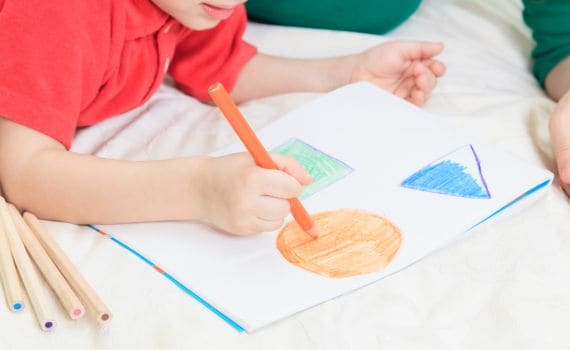
When a child draws, they engage the small muscles in their hands and fingers, developing fine motor control. This important skill is essential for tasks like writing, tying shoelaces, and handling small objects. Through drawing, whether it’s scribbling with a crayon in a coloring book or painting with a brush, toddlers gain greater control of their pens and brushes, refining their dexterity.
The repetitive motion of drawing also helps in strengthening the hand and finger muscles, making these movements more fluid and precise over time. Moreover, the variety of tools and techniques involved in drawing, such as using different sized crayons or experimenting with finger painting, further enhances these fine motor skills by providing diverse challenges and stimulations.
Additionally, as toddlers progress in their drawing abilities, they learn to adjust their grip and pressure, which is crucial for developing the coordination and control needed for more advanced tasks such as cutting with scissors or playing musical instruments. Engaging in drawing activities also promotes bilateral coordination, where toddlers use both hands in a coordinated manner, an essential skill for everyday activities like dressing, eating, and engaging in sports.
2. Enhanced Creativity
The act of drawing opens a world of imagination for toddlers. As little artists, they learn to express their thoughts and feelings in various shapes and colors. The creative process involved in making a child’s drawings or painting in a coloring book fosters their ability to think innovatively and develop original ideas.
Engaging in drawing also encourages toddlers to experiment with new ideas, such as mixing colors or creating new textures, which broadens their creative horizons. This exploration of the arts at an early age lays the groundwork for innovative thinking and problem-solving skills that are valuable in various aspects of life.
3. Improved Concentration and Focus
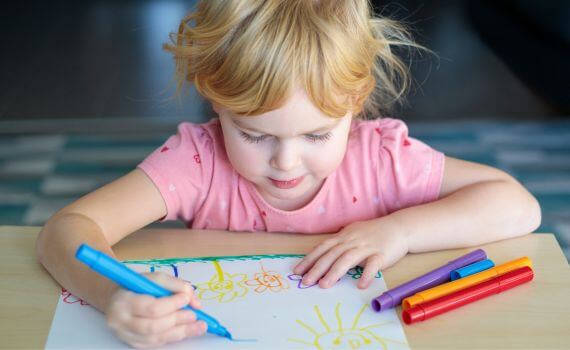
Engaging in drawing helps toddlers improve their concentration. This activity requires them to pay attention to details like color choices and shapes, enhancing their focus. Drawing can be especially important as an outlet for children who are naturally energetic and find it challenging to sit still.
The process of drawing can also be meditative, allowing toddlers to develop mindfulness and patience. These skills are not only beneficial in artistic endeavors but also in academic and personal settings, where focus and calmness are key.
4. Boosted Confidence And Emotional Development
Drawing provides a low-pressure environment where toddlers can freely express themselves, leading to a boost in self-esteem. Seeing their own work come to life gives them a sense of accomplishment. Additionally, drawing can serve as a powerful tool for emotional expression, allowing toddlers to channel their feelings and thoughts in a safe and constructive manner.
By providing positive feedback and encouragement, caregivers and parents can enhance the emotional benefits of drawing, helping toddlers feel valued and heard. This positive reinforcement contributes to a stronger sense of identity and self-worth in the child.
5. Improved Hand-Eye Coordination
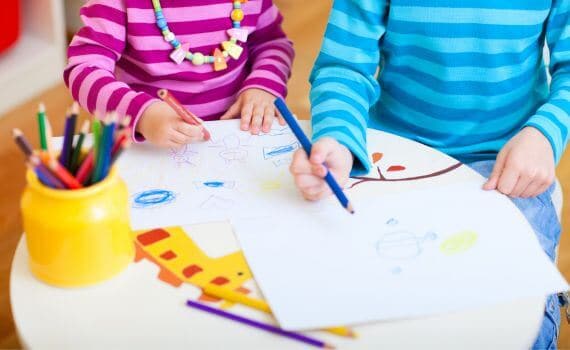
As toddlers draw, they develop hand-eye coordination. This skill is vital for activities that require precise hand movements, like catching a ball or using scissors. The coordination between what they see and how they move their hands is honed through regular drawing.
Through drawing, toddlers also learn to gauge distances and spatial relationships, which are crucial for tasks like playing sports or navigating their environment. This skill extends beyond the page, aiding in their overall physical coordination and agility.
6. Language Development and Communication Skills
Discussing a child’s artwork can be a good conversation starter, enhancing their language skills. As they describe their drawings, toddlers learn new words and phrases, improving their ability to communicate their ideas and feelings.
This interactive process also allows for the development of listening and comprehension skills, as toddlers learn to understand and respond to questions or comments about their artwork. Drawing becomes a dynamic tool for broadening their communicative abilities and social interactions.
7. Appreciation for the Arts
Early exposure to drawing and other art activities can instill an appreciation for the visual arts. This appreciation can enrich a child’s life and open their minds to different perspectives and cultures.
Exposure to different art forms and cultural expressions through drawing can also spark curiosity and a desire to learn more about the world and its diverse cultures. This broadens a child’s perspective and encourages open-mindedness and cultural appreciation.
8. Develops Pre-Writing Skills and Cognitive Development
Drawing is a precursor to writing. Early art activities, like using finger paint or drawing horizontal and vertical lines, lay the foundation for writing letters and numbers. Furthermore, drawing at a very young age helps in cognitive development as children learn to interpret and convey visual information through their artwork.
Drawing also helps in the development of sequencing and planning skills, as toddlers think about what they want to create and the steps needed to achieve their vision. This type of structured thinking is a key component of cognitive development and is crucial for academic learning.
9. Social and Emotional Benefits
Drawing together with family members or peers can be a bonding experience, fostering social skills. Positive reinforcement from parents and caregivers when discussing a child’s artwork can further encourage emotional development and a sense of belonging.
Drawing in a group setting also teaches toddlers about sharing and cooperation, as they learn to take turns with materials and respect others’ creations. These social interactions foster empathy and understanding, which are important emotional skills.
10. Symbolic Representation and Problem-Solving Skills
As toddlers progress in their drawing abilities, they begin to use symbols to represent real-world objects and concepts. This development in symbolic thinking is crucial for problem-solving and understanding abstract concepts. When faced with the challenge of depicting something on paper, toddlers learn to think critically and find creative solutions.
As they draw, toddlers also learn to associate symbols with words and concepts, which is an important foundation for reading and mathematics. This symbolic understanding is a critical step in cognitive development and abstract thinking.
Final Thoughts On The Benefits Of Drawing For Toddlers
In conclusion, the benefits of drawing for toddlers, ranging from the development of basic skills such as fine motor control to the enhancement of creative expression and mental development, cannot be overstated.
As little artists pick up their paint brushes or crayons, they embark on a journey of discovery, learning, and growth. The act of drawing, whether it’s on a blank piece of paper, in coloring books, or with a variety of items like cardboard boxes and finger paints, offers a perfect opportunity for children to express themselves while developing different skills essential for their overall development.
See Also :
Benefits Of Painting For Toddlers
Benefits Of Finger Painting For Toddlers
Benefits Of Stickers For Toddlers
Benefits Of Flashcards For Toddlers
Benefits Of Role Play For Toddlers