
10 Amazing Benefits of Finger Painting for Toddlers – Fun & Developmental!

Finger painting is not only a delightful activity but also a great way for toddlers to engage in sensory play and creative expression. It is a easy and fun activity that allows young artists to use their hands and fingers to create art, often using colorful, non-toxic paint.
This simple activity is a wonderful way to help toddlers explore new colors, textures, and sensations, contributing to their overall development. Here, we will delve into the developmental benefits of finger painting for toddlers and discuss how this messy art project is a valuable part of early childhood education.
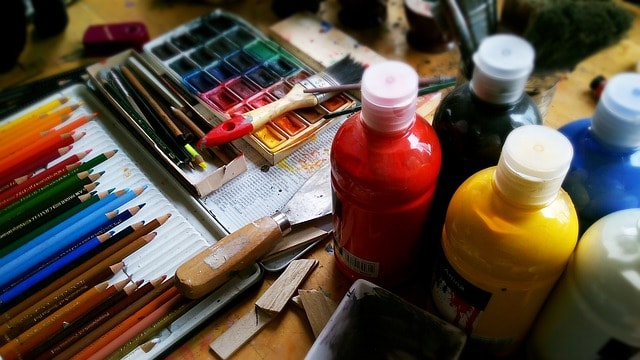
Development of Fine Motor Skills:
Finger painting is a great way to enhance the development of fine motor skills in young toddlers. Manipulating the paint with little fingers helps strengthen hand muscles and improve hand-eye coordination. This is crucial for daily activities like writing and drawing.
Boosts Creativity and Artistic Expression:
This type of painting encourages toddlers to be imaginative, providing a canvas for their artistic expression and imagination. The use of colors, different shapes, and the tactile experience of the paint fosters creativity and is a fun way for children of any age to express their emotions and ideas.
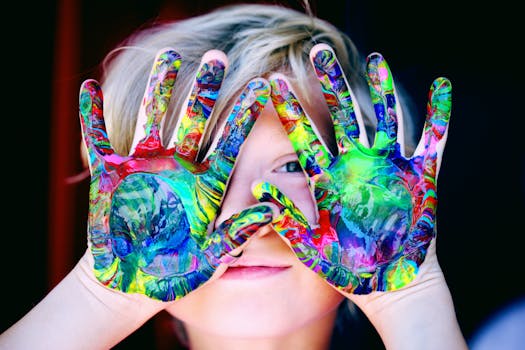
Enhances Cognitive Development:
As toddlers engage in this painting activity, they learn about various colors, patterns and textures, aiding their cognitive development. They begin to understand different shapes, make connections, and develop decision-making skills.
Promotes Sensory Exploration:
Finger painting is a sensory activity that involves experiencing different sensory sensations. The feel of the paint, whether it’s tempera, watercolors, or acrylic, provides a rich tactile experience. For an added dimension, edible finger paint can be used for safe sensory exploration.

Encourages Self-Expression and Emotional Growth:
This activity is a wonderful way for toddlers to express their feelings, emotions and moods. Whether using bright colors or creating different shapes, each piece of art is a reflection of the child’s emotions, promoting emotional growth and self-expression.
Builds Social and Communication Skills:
Finger painting can be a social activity, especially when done in groups. It encourages young kids to communicate their ideas, share materials, and collaborate, enhancing their social and communication skills.

Aids in Language Development:
Discussing their art can help toddlers improve their language skills. They learn to articulate their thoughts about the colors, shapes, and the process of painting, which enhances their verbal abilities.
Develops Concentration and Focus:
This sensory activity requires attention and focus. As toddlers concentrate on their painting, they develop these essential skills, which are beneficial in other aspects of learning, such as reading and writing.
Boosts Confidence and Self-Esteem:
Completing a painting gives toddlers a sense of accomplishment. Seeing their artwork appreciated provides children with positive feedback, boosting their confidence and self-esteem.
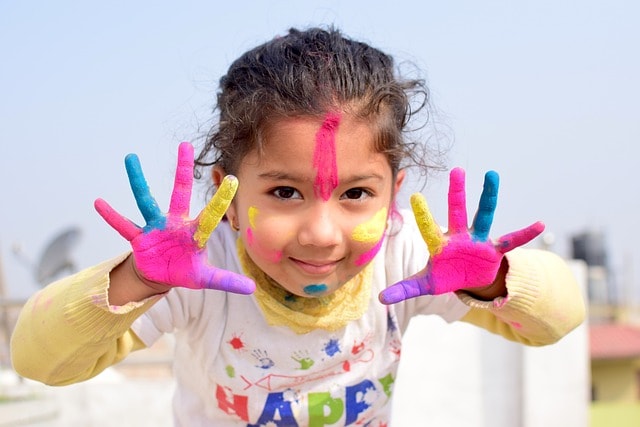
Encourages Relaxation and Provides a Stress Outlet:
Finger painting is a calming activity that can be therapeutic. The act of painting can be a relaxing and enjoyable experience, offering a stress-relieving outlet for toddlers.
Homemade Finger Paint Recipe
Here’s a simple homemade finger paint recipe that you can try:
Ingredients:
- 1/2 cup cornstarch
- 3 tablespoons sugar
- 2 cups water
- Food coloring (assorted colors)
- Small containers or bowls
Instructions:
- In a saucepan, whisk together the cornstarch, sugar, and water until well combined and smooth.
- Place the saucepan on the stove over medium heat and continue whisking the mixture until it starts to thicken. This usually takes about 5-7 minutes. Keep whisking to prevent lumps from forming.
- Once the mixture has thickened to a paint-like consistency, remove the saucepan from heat and let it cool for a few minutes.
- Divide the mixture equally into different containers or bowls, depending on how many colors you want to make.
- Add a few drops of food coloring to each container and stir well until the desired color is achieved. Feel free to mix different colors to create new shades.
- Allow the finger paint to cool completely before using it.
- You’re now ready to let your little ones enjoy painting with their fingers! Provide them with paper or canvases and let their creativity flow.
Please note that this homemade finger paint is non-toxic, but it’s always a good idea to supervise children during playtime and art projects and ensure they don’t consume the paint.
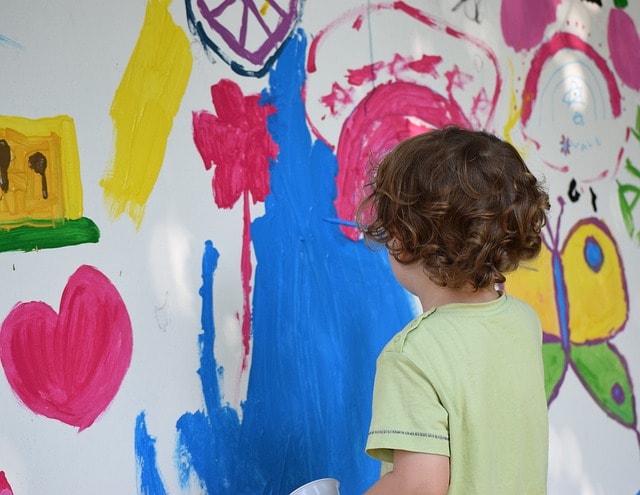
What To Look Out For When Choosing Finger Paints
When choosing finger paints for your toddler, it is crucial to select non-toxic finger paints. Toddlers have a tendency to explore the world through their senses, including touching, tasting, and sometimes even ingesting things they come into contact with. Therefore, using non-toxic materials is essential to ensure their safety.
Non-toxic finger paints are specifically formulated to be safe for children. They are made from ingredients that are not harmful if accidentally ingested or if they come into contact with the skin. These paints are usually water-based and free from toxic chemicals, heavy metals, and other harmful substances.
When purchasing finger paints for your toddler, look for labels or indications that clearly state they are non-toxic. It’s also a good idea to choose paints that are specifically designed for young children and meet safety standards. These paints are often labeled as “child-safe,” “non-toxic,” or “washable.”
Additionally, follow the manufacturer’s instructions and recommended age guidelines for the finger paints. Some finger paints may be more suitable for older children due to their consistency, while others are specifically designed for toddlers and preschoolers.
Always supervise your toddler while they are finger painting and ensure they do not put their fingers or painted hands in their mouth. Even with non-toxic paints, ingestion in large amounts can still cause discomfort or gastrointestinal issues.
By choosing non-toxic finger paints, you can provide a safe and enjoyable artistic experience for your toddler, allowing them to explore their creativity while minimizing potential risks.
Also, read about Hand Printing Activity Benefits For Toddlers.
Wrapping Up The Benefits Of Finger Painting For Toddlers
Incorporating finger painting into a toddler’s routine can be a lot of fun and incredibly beneficial. It’s a good idea to use large sheets of paper or construction paper and set up the activity on a flat surface or in a high chair.
Wearing old clothes or aprons and using washable, non-toxic paints ensure that the experience is safe and enjoyable for both the child and the caregiver. Whether it’s messy play with bright colors or more structured art activities, the sensory information and developmental advantages of finger painting make it a significant part of early childhood education and a great activity for children of all ages.


