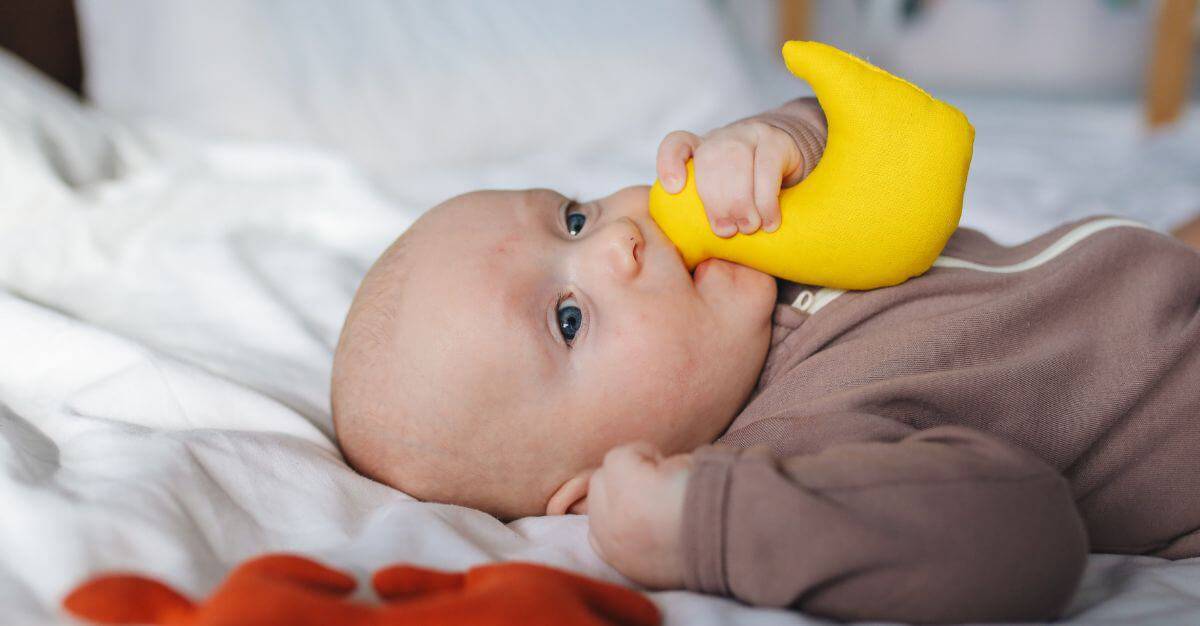
Tune Into Growth: Unveiling the Benefits of Musical Instruments for Toddlers

Hello, amazing parents and caregivers! Are you ready to explore the harmonious world of tiny musicians? Today, we’re hitting the high notes on the benefits of musical instruments for toddlers. Whether it’s a tiny drum, a pint-sized piano, or even a homemade shaker, introducing musical instruments to your toddler can be incredibly rewarding. So, let’s strum through the reasons why these instruments are not just toys, but powerful tools for development!
The form you have selected does not exist.
Introducing musical instruments at a young age can have a wide range of benefits that contribute positively to a child’s development. Here are several key benefits:
- Enhanced Motor Skills: Learning to play an instrument requires coordination and control, which helps in developing fine motor skills. For toddlers, simple instruments like drums, xylophones, or small keyboards can stimulate muscle development and improve hand-eye coordination.
- Cognitive Skills: Engaging with music helps toddlers in processing sounds and language, which is crucial for cognitive development. It can enhance memory, attention, and problem-solving skills. Musical activities involve patterns and sequences, which support early math skills.
- Emotional Development: Music provides a channel for expressing emotions. Toddlers, who may not yet have the verbal skills to express themselves, can use music to convey their feelings and emotions, contributing to their emotional intelligence.
- Sensory Development: Playing and listening to music stimulates the senses. This stimulation is crucial for the brain development of toddlers. It helps them differentiate between different sounds, volumes, and pitches, which is important for auditory processing.
- Social Development: Participating in musical activities with others can foster teamwork, cooperation, and a sense of community among toddlers. It teaches them about taking turns, listening, and participating in a group setting, which are important social skills.
- Language Skills: Exposure to music and musical instruments can enhance language development in toddlers. Learning songs, even simple ones, involves vocabulary and basic grammar. Moreover, the rhythmic aspect of music supports language fluency and comprehension.
- Increased Confidence and Self-esteem: Mastering a new skill, like playing a simple tune on an instrument, can provide toddlers with a sense of achievement and increase their confidence and self-esteem.
- Encourages Creativity: Exploring music allows toddlers to express themselves creatively. It provides them with an outlet to experiment with sounds, rhythms, and melodies, fostering their innate creativity.
- Improves Listening Skills: Playing and listening to music requires concentration and active listening, which can improve a toddler’s ability to focus and pay attention to auditory stimuli.
- Bonding Opportunity: Music can be a wonderful way for parents and toddlers to bond. Sharing musical experiences, whether it’s playing instruments together or enjoying music, can strengthen the parent-child relationship.
- Gross Motor Skills: Playing musical instruments often involves movements that are not just confined to the fine motor skills of the hands but also engage larger muscle groups. For example, dancing while playing an instrument or using a large drum can improve balance, coordination, and overall physical strength. These activities help develop the gross motor skills that are essential for walking, running, and other physical activities.
- Attention Span: Music has a unique way of capturing the attention of toddlers. Learning to play an instrument requires focusing on specific sounds, rhythms, and sequences, which can significantly extend a toddler’s attention span. Regular musical training helps them learn to concentrate for longer periods, a skill that benefits many other areas of learning and development.
- Memory Skills: The process of learning music involves memorization, such as remembering the sounds of notes, rhythms, or the sequence of a song. This practice can enhance auditory memory, a crucial aspect of early childhood development. As toddlers learn to play instruments and recognize melodies, they exercise their memory muscles, improving both short-term and long-term memory.
- Emotional Health: Engagement with music and musical instruments can have a profound impact on a toddler’s emotional well-being. Music can be soothing and calming, helping to reduce anxiety and promote relaxation. Additionally, the joy and satisfaction derived from musical exploration and accomplishment foster positive emotions and can help in developing resilience against stress. Music offers toddlers a healthy emotional outlet, allowing them to experience and express a wide range of emotions through a creative medium.
Incorporating music and different instruments into a toddler’s daily routine can be a fun and effective way to support their early development. It’s important to choose age-appropriate instruments and engage in musical activities that are enjoyable and suited to the child’s interests and developmental stage.
Musical Instruments For Toddlers
Introducing toddlers to musical instruments is a wonderful way to foster their creativity and help them develop coordination and rhythm. Here are some musical instruments that are perfect for toddlers:
- Xylophone – A colorful xylophone is an excellent choice for toddlers. It’s easy to play and helps them learn about different pitches and tones. The mallets are usually sized just right for little hands, and the bright colors of the bars engage their visual senses.
- Tambourine – Tambourines are fun and simple for toddlers to use. They can shake it or tap it to make sounds. This instrument helps toddlers with their motor skills and to develop a sense of rhythm.
- Maracas – These are perfect for small hands to grip and shake. Playing maracas can enhance toddlers’ auditory skills and coordination as they move to the rhythm of the music they create.
- Hand Drums – Drums that can be played with hands are ideal for toddlers as they can use their palms or fingers to create different sounds. This type of drumming helps in developing their motor skills and natural sense of tempo.
- Piano Keyboard – A small, toddler-sized keyboard can introduce young children to the concept of cause and effect, and they can experiment with different sounds. Many toy keyboards also feature large, easy-to-press keys suitable for small fingers.
- Ukulele – A ukulele is smaller and lighter than a guitar, making it a suitable string instrument for toddlers. It can help develop their fine motor skills and introduce them to basic concepts of string tension and sound production.
- Harmonica – While it may require a bit more skill, a harmonica is small and portable, and it can be a fun way for toddlers to develop mouth coordination and breath control.
- Wooden Spoon – While not a traditional musical instrument, wooden spoons can be a great introduction to music-making for toddlers. They can use them to tap on various surfaces to create different sounds, exploring rhythm and the concept of cause and effect. This activity also aids in developing their motor skills and understanding of sound variations.
- Jingle Bracelet– These are wearable instruments that add a musical element to a toddler’s movements. As they move their arms while wearing the bracelets, the small bells make jingling sounds, which can be captivating. Jingle bracelets encourage toddlers to move and dance, enhancing their physical activity and rhythmic awareness.
Each of these instruments can play a part in a toddler’s musical and overall developmental journey, making them delightful introductions to the world of music.

Musical Instrument Activites For Toddlers
Music activities for toddlers are not only fun but also crucial for their development. They help enhance fine and gross motor skills, improve listening and speech abilities, and can also boost cognitive development. Here are some engaging music activities you can try with toddlers:
- Sing-Along Sessions – Simple nursery rhymes or repetitive songs are great for toddlers. Encourage them to sing along, which helps in language development and memorization skills. Use gestures or actions to make the singing more interactive and enjoyable.
- Musical Story Time – Combine storytelling with music by adding songs or instrumental background to stories. This enhances the auditory experience and makes story time more engaging. You could use musical toys to create sounds that match the story’s events.
- Instrument Exploration – Allow toddlers to explore real instruments like tambourines, maracas, or xylophones. Set up a small “instrument station” where they can choose what they want to play. This activity stimulates curiosity and sensory skills.
- Create Your Own Instruments – Engage toddlers in making simple instruments from household items, like a drum from an oatmeal box or a shaker from a sealed container filled with beans. This fosters creativity and gives them a sense of accomplishment.
- Music Classes – Early music lessons for toddlers don’t have to be formal or structured like traditional lessons for older children. Instead, these sessions can focus on fun, interactive activities that introduce basic musical concepts.
These activities not only provide fun and entertainment but also play a vital role in a toddler’s overall development, making them valuable additions to any toddler’s routine.
FAQ
Q: How do musical instruments help a child’s development?
A: Musical instruments play a pivotal role in a child’s development by enhancing motor skills, both fine and gross, fostering cognitive growth through improved memory, attention, and problem-solving skills. They also aid in emotional expression, allowing children to convey feelings and emotions, thus contributing to their emotional intelligence. Moreover, learning to play an instrument can bolster a child’s confidence, self-esteem, and creativity, while also nurturing essential social skills through group play and cooperation.
Q: What are the benefits of music and instrumental activities for toddlers?
A: The benefits of music and instrumental activities for toddlers are vast, including the development of fine and gross motor skills, cognitive development (such as language skills, memory enhancement, and problem-solving abilities), and sensory development. These activities also help in building social skills, improving emotional expression, fostering creativity, enhancing listening skills, and providing opportunities for bonding. Furthermore, they can significantly increase a toddler’s attention span and contribute positively to their emotional health.
Q: How does music help toddler development?
A: Music aids toddler development by stimulating various areas of the brain associated with language, memory, and emotion. It enhances auditory processing, which is critical for language development, and supports the acquisition of literacy skills. Music encourages toddlers to express themselves, both verbally and non-verbally, improving their ability to communicate their thoughts and feelings. Additionally, music and rhythm can help toddlers develop a sense of timing and sequence, which are essential for problem-solving and mathematics.
Q: What is the importance of musical instruments?
A: Musical instruments are important because they serve as tools for expression, creativity, and learning. They offer a tangible way for individuals, especially children, to engage with music, which has been shown to have profound effects on cognitive, emotional, and social development. Instruments can introduce children to the concepts of discipline and practice, leading to improved attention and perseverance. They also allow for the exploration of different cultures and histories through the diverse range of music and styles they represent. Overall, musical instruments are vital for enriching a person’s educational journey and fostering a well-rounded development.
Conclusion: A Symphony of Developmental Benefits!
So, there you have it! The benefits of musical instruments for toddlers are as diverse and beautiful as music itself. They pave the way for cognitive growth, fine motor skill development, emotional expression, social interaction, confidence building, creativity, and discipline. And, let’s not forget, it’s a whole lot of fun! So, why not introduce your little one to the magical world of musical instruments? Who knows, you might just have a mini Mozart in the making!
Always supervise your toddlers during their musical adventures to ensure safety. Now, go ahead, let the concert begin, and watch your little star shine! 🎵👶🥁🎹🎷