
What Are The Qualities Of A Good Mother?

When we think of a good mother, it’s easy to imagine someone warm, patient, and always there, radiating unconditional love. But being a great mom goes way beyond the sweet hugs and bedtime stories. So let’s learn more …. what are the qualities of a good mother?
At the heart of motherhood lies a complex and rewarding journey filled with essential life lessons, challenges, and moments of pure joy.
Whether you’re a young mom or a seasoned mother, the path is paved with both successes and tough lessons that shape a strong foundation for your child’s development.
So, what exactly makes a “good mother”? Let’s dive into the many qualities that help make a mom not only a good mother but also a role model, a great wife, and a strong foundation for her family.

What Are The Qualities Of A Good Mother?
1. Patience: The Backbone of Motherhood
Every mom, especially those with toddlers or teenagers, knows how trying patience can be. But patience is more than just a skill—it’s an art and a quality that every good mother cultivates.
Motherhood is full of challenging situations that test patience: a toddler’s never-ending questions, a teenager’s rebellious phase, or the million times you have to ask, “Did you brush your teeth?”
Being a patient mother means taking a deep breath and trying to respond calmly, even when your nerves are frayed.
It’s about understanding that a child’s world moves at a different pace. Patience teaches kids that their feelings matter, fostering a safe and nurturing environment.
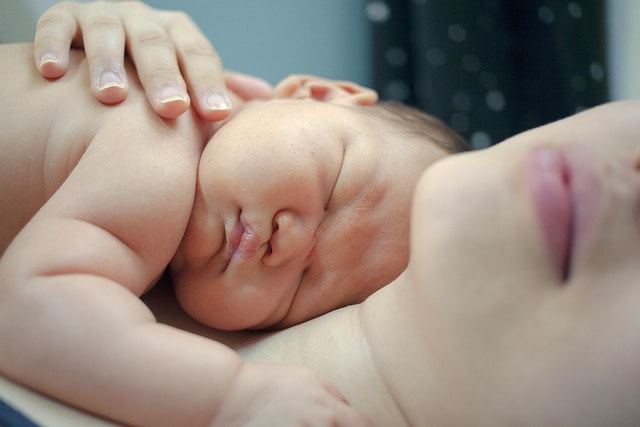
2. Unconditional Love: The Heart of a Good Mother
If there’s one thing a child is sure of, it’s a mother’s love—an anchor in life’s stormy seas. No matter what, a good mom offers a strong sense of security through unconditional love.
This love doesn’t hinge on behavior, achievements, or circumstances. It’s constant, a steady reminder that they’re loved for who they are, not just for what they do.
This acceptance and support are essential qualities that every child needs for healthy self-esteem.
Motherhood often means putting your child’s needs above your own, but a great mother knows that self-care is also part of unconditional love.
Taking time for yourself shows your children that a good person cares for their well-being, setting an example of self-compassion and self-awareness.
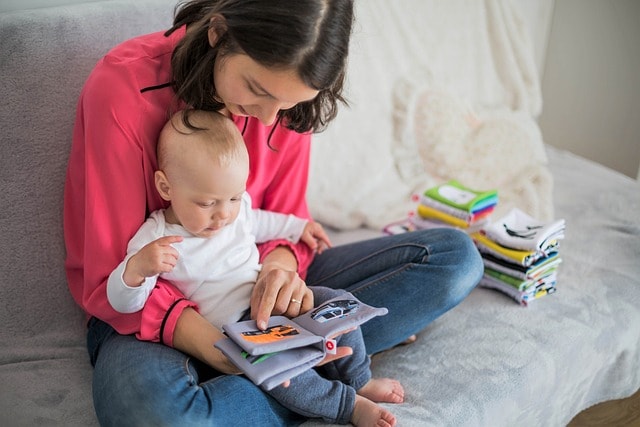
3. Teaching Responsibility: Building a Strong Foundation
Good mothers encourage their children to accept responsibility and understand the importance of contributing to the family and their own lives.
Teaching kids to complete household chores, respect family rules, and take accountability for their actions helps foster independence and self-discipline.
A strong foundation in responsibility builds character and prepares them to navigate challenges in life. This, in turn, plays a crucial role in child development by shaping their emotional, social, and cognitive growth.
It might be a slow process, but over time, you’ll see your child bloom into a responsible adult who can handle life’s ups and downs with resilience.

4. Creating a Nurturing Environment
Creating a nurturing environment at home is one of the hallmarks of effective parenting.
It’s not just about providing for physical needs, but also about emotional and mental health.
A nurturing environment promotes open communication, where kids feel safe expressing their feelings without fear of judgment or punishment.
Being a good parent often means creating space for difficult conversations and navigating stressful situations together.
This environment fosters a strong bond, allowing children to grow up with a sense of security and a positive example of how to deal with life’s challenges.

5. Communication and Empathy: Stepping into Their Shoes
An essential quality of a good mother is effective communication paired with empathy.
This isn’t just talking, but truly listening and understanding.
When a child feels heard, they’re more likely to trust you, share their feelings, and come to you with problems.
Understanding and trying to see things from a child’s perspective is incredibly valuable.
A good mother knows how to put herself in her child’s shoes, respecting their thoughts and emotions, even when they’re different from her own.
This empathy builds a connection that strengthens over time, establishing a relationship where children feel understood and accepted.
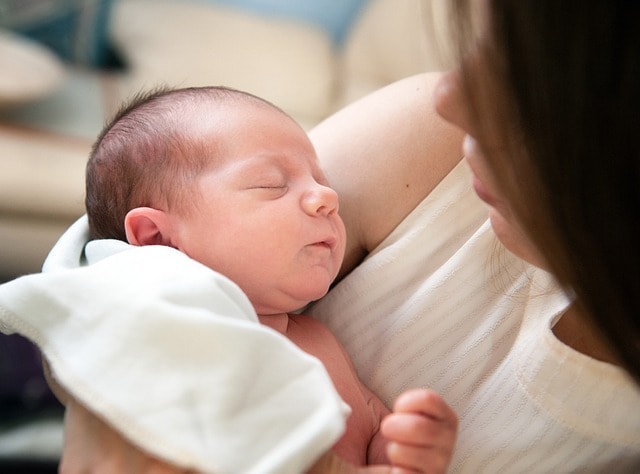
6. Modeling Self-Care and Self-Compassion
We’ve all heard the phrase, “You can’t pour from an empty cup,” and it couldn’t be truer for moms.
A great mother understands the importance of self-care—not just physically but emotionally and mentally.
Taking care of your own life and well-being doesn’t make you a bad mother; in fact, it makes you a better one. Self-compassion is also essential.
Every mom has days where she feels she could be a better parent, wife, or person.
Instead of dwelling on mistakes, a good mother forgives herself and moves forward, showing her kids the value of self-acceptance.

7. Instilling Essential Life Lessons
From a young age, children learn their first and most essential life lessons from their mothers.
These lessons cover everything from basic manners and respect to understanding resilience, kindness, and empathy.
A good mother doesn’t shy away from teaching difficult lessons either—like the importance of failure, perseverance, and picking yourself back up.
Everyday situations present opportunities to teach children these qualities naturally.
By taking the time to discuss and role-model these essential qualities, you provide them with the necessary tools to tackle life’s challenges and develop a strong moral compass.

8. Setting Boundaries: The Balance Between Love and Discipline
Boundaries are a key part of a child’s development, and every good mother understands that while kids need love, they also need structure.
Boundaries help kids learn self-discipline and develop a strong sense of responsibility.
This balance is part of effective parenting: providing love and nurturing while establishing guidelines to help kids grow into well-rounded adults.
Boundaries also ensure that mothers have their own time and space, which is essential for well-being.
By setting these limits, you’re teaching your children the importance of respecting others’ boundaries as well.
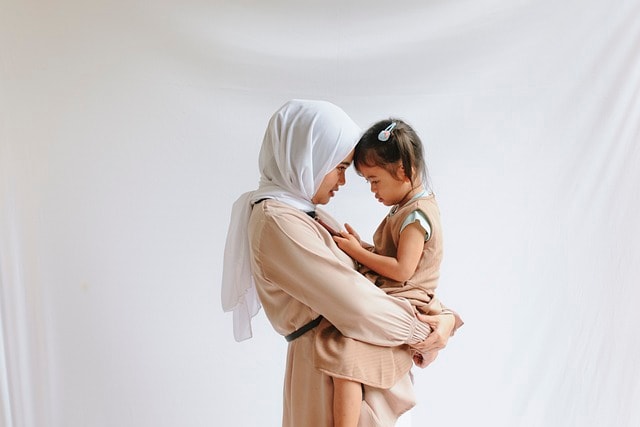
9. Teaching by Example: The Role Model Every Child Needs
Children learn by observing, and a mother is often the first and most influential role model in a child’s life.
Good mothers strive to set a positive example, showing qualities like honesty, kindness, resilience, and integrity in their daily actions.
Whether it’s handling a stressful or challenging situation, being kind to others, or taking responsibility for mistakes, modeling these behaviors helps children understand what it means to be a good person.

10. Embracing Imperfections and Trusting Your Gut
No mom is perfect, and trying to be one is a recipe for stress.
Every mom, at some point, questions whether she’s doing things “right,” but a great mother learns to trust her gut feeling.
When you embrace your imperfections and accept that parenting is about learning, growing, and adapting, you’re giving your kids the freedom to do the same.
Good mothers recognize that motherhood is a journey and that making mistakes doesn’t define them.
What matters is the love, effort, and commitment to being the best mom they can be, even in the face of challenges.

11. Building Strong Relationships and Fostering Family Bonds
A good mother knows that her role goes beyond the children—it’s about creating a nurturing environment for the whole family.
Building strong bonds within the family provides children with a secure base and a sense of belonging.
These relationships also teach kids the value of love, commitment, and respect within a family unit.
Whether a stay-at-home mom or a working mom, prioritizing quality family time helps deepen these bonds.
12. Encouraging Independence and Supporting Their Dreams
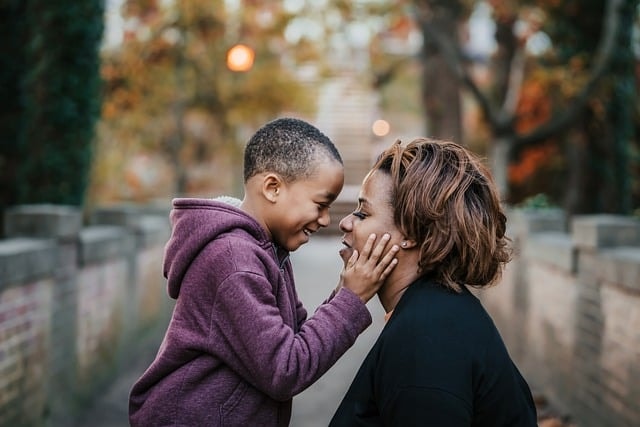
Supporting a child’s journey to independence is one of a mother’s most rewarding roles.
A good mother encourages her children to dream big and pursue their passions, no matter how out of reach they may seem.
As a mom, you provide a supportive foundation, helping them build self-esteem and self-confidence as they discover who they are.
Letting children make their own choices, even if they make mistakes, allows them to learn essential life lessons.
Knowing they have a mother who believes in them no matter what gives kids the courage to chase their dreams.

13. Embracing Community and Learning from Other Moms
Motherhood can sometimes feel isolating, especially in challenging situations.
Building a community and learning from other moms can be a lifeline.
Sharing experiences, challenges, and even a laugh over coffee can provide perspective, support, and encouragement.
Every mom brings her unique parenting style and insights, and connecting with others helps expand your own approach to parenting.
14. Practicing Self-Awareness and Prioritizing Mental Health
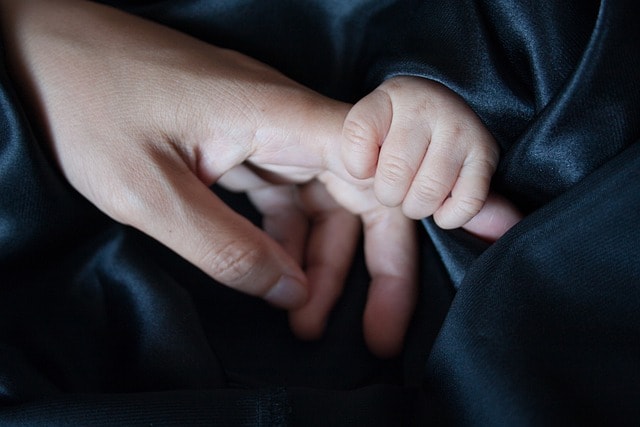
A good mother prioritizes her mental health, understanding that her well-being directly impacts her family.
Self-awareness is crucial, helping moms recognize their emotional needs and regulate their responses.
Taking time to address personal challenges, whether through hobbies, friendships, or professional support, allows a mother to show up as her best self.
15. Celebrating Small Wins and Embracing Joy
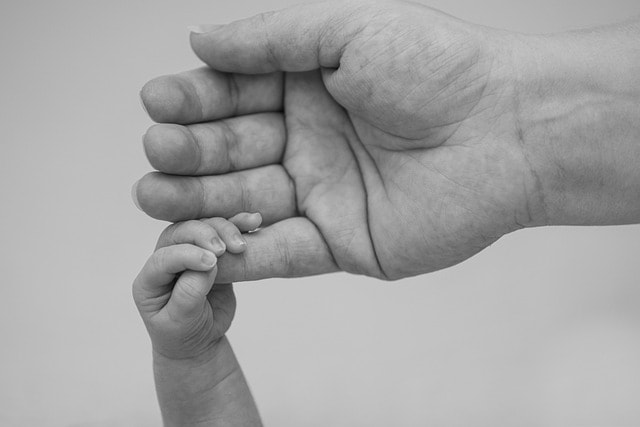
Motherhood is filled with moments of pure joy—first steps, big smiles, and heartfelt hugs.
A good mother takes time to celebrate these small wins, understanding that they are the heart of what makes motherhood so magical.
Embracing these moments helps to balance the challenging situations that naturally come with raising children.
At the end of the day, being a “good mom” isn’t about fitting into a specific mold or ticking every box.
It’s about showing up with love, learning as you go, and giving your best to raise happy, healthy kids.
Each of these qualities builds a strong foundation, providing your child with the tools they need to grow into a kind, resilient, and confident individual.
So, whether you’re a stay-at-home mom or balancing work and family, remember that you’re doing an incredible job—and in the eyes of your child, you’re the best mom they could ever have.
16. Strong Moral Compass: Guiding with Integrity
A good mother serves as a moral compass for her children, guiding them with integrity and teaching them essential life lessons.
She imparts values and principles that shape their character and help them make ethical choices.
A good mother’s strong moral compass is reflected in her actions, words, and decisions, providing a foundation for her children to develop a strong sense of right and wrong.
As a role model, a good mother demonstrates honesty, kindness, and respect, showing her children that these values are important and should be upheld.
She encourages her children to think critically and make informed decisions, helping them develop a strong moral compass of their own.
By guiding with integrity, a good mother helps her children become good people who make a positive impact in the world.
17. Balancing Work and Family: Juggling Responsibilities
Balancing work and family responsibilities is a challenging task for many mothers.
A good mother must juggle her career and family obligations, ensuring that she is meeting the needs of both her children and her employer. This requires effective time management, prioritization, and communication.
A good mother recognizes that her role as a parent is just as important as her role as a professional.
She makes time for her children, attending school events, sports games, and recitals, while also pursuing her career goals.
By finding a balance between work and family, a good mother sets a positive example for her children, showing them that hard work and dedication are essential for success.
18. Being a Good Mother at a Young Age: Embracing Early Motherhood
Being a good mother at a young age can be a daunting task, but with the right mindset and support, it can also be a rewarding experience.
A young mother must navigate the challenges of parenthood while also pursuing her own education and career goals.
A good young mother prioritizes her child’s needs, seeking support from family, friends, and community resources when needed.
She is patient, flexible, and adaptable, recognizing that motherhood is a journey that requires growth and learning.
By embracing early motherhood, a young mother can develop a strong sense of self and a deep connection with her child, laying the foundation for a lifelong relationship built on love, trust, and mutual respect.
FAQ – What Are The Qualities Of A Good Mother?
What are the characteristics of a good mother?
A good mother displays qualities such as patience, unconditional love, and empathy. She’s a strong role model, showing resilience, responsibility, and compassion in daily life. A good mother encourages open communication, sets boundaries to create a nurturing environment, and practices self-care, balancing her own needs with those of her family. She supports her child’s development by teaching responsibility, instilling values, and fostering independence, helping them grow into confident, compassionate individuals.
What is the definition of a good mother?
A good mother is someone who provides love, support, and guidance to her children, creating a safe and nurturing environment that fosters growth, learning, and emotional well-being. She is consistent in her care, offers a balanced approach to discipline, and demonstrates empathy, understanding her child’s unique needs. A good mother is committed to the well-being of her family while also taking time for her personal growth and self-care.
How would you describe an ideal mother?
An ideal mother is someone who strives to be her best for her children without needing to be perfect. She shows love and patience, listens to her child’s concerns, and encourages their individuality. This mother balances support and independence, allowing her children to make mistakes and learn essential life lessons. An ideal mother also models self-compassion, teaching her children the importance of mental and emotional well-being by example.
What is the role of a good mother?
The role of a good mother encompasses providing emotional support, teaching life skills, and creating a stable, loving environment for her child’s growth. She’s the first teacher and nurturer, guiding her child through challenges with understanding and patience. A good mother plays an active role in her child’s development by being present, setting positive examples, and offering guidance that fosters self-esteem and resilience. Her role also includes maintaining her well-being, knowing that a fulfilled, happy mom creates a positive impact on her family.


